



Clip card maker
A picture and three choices: clip the right one
Make clip cards for beginning sounds or for reading short words. Each card shows one of our hand-drawn pictures and three choices along the bottom edge. Your child says the picture and clips a clothespin on the right letter or word.
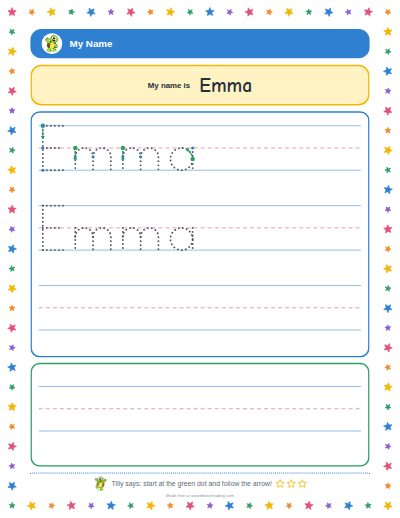 Name tracing worksheet generator
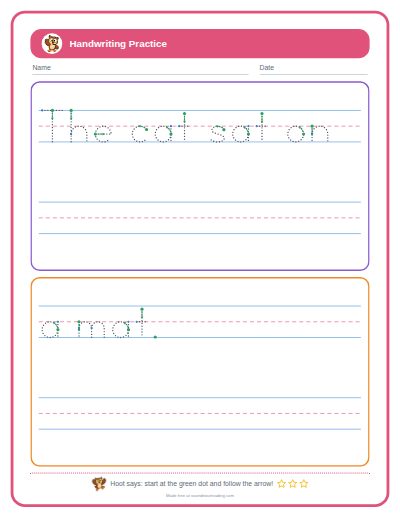 Handwriting worksheet maker
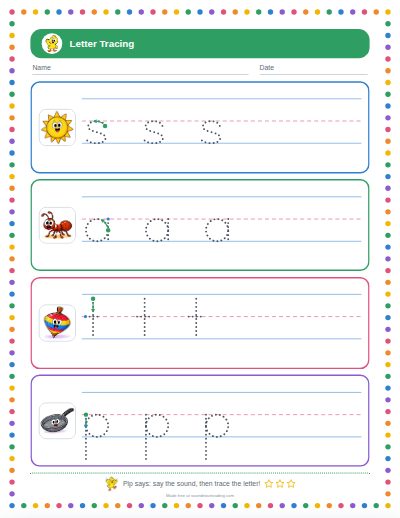 Tracing worksheet generator
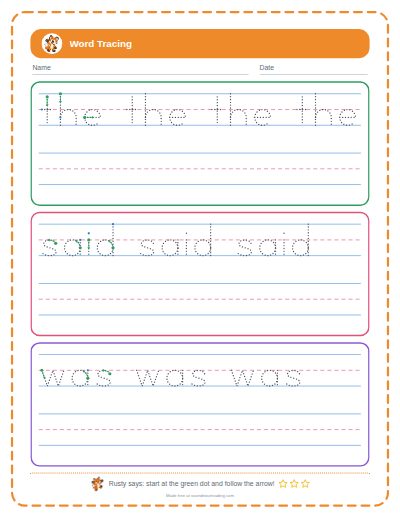 Word tracing worksheet generator
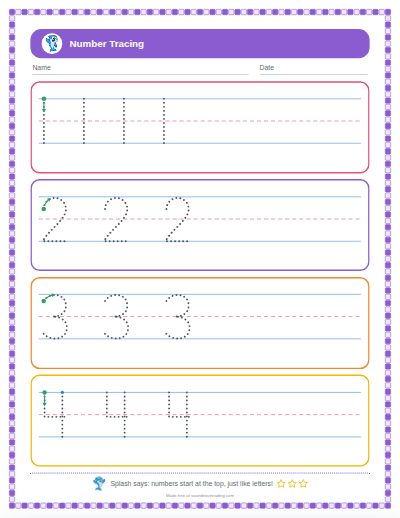 Number tracing generator
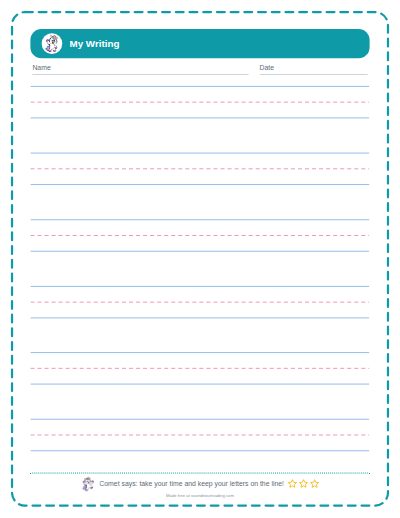 Lined paper generator
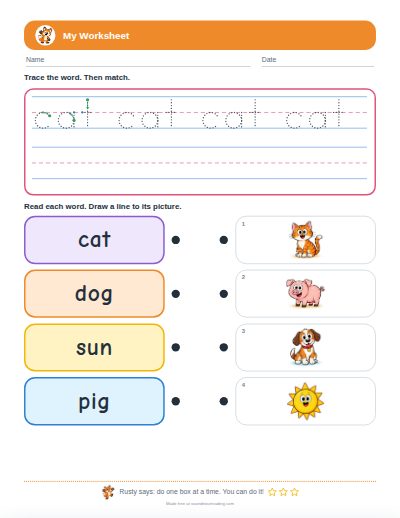 Worksheet generator: build your own
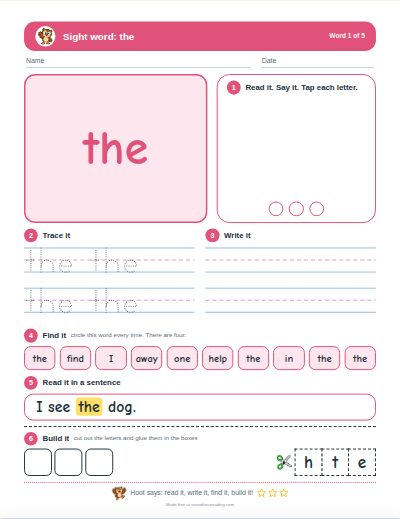 Sight word worksheet generator
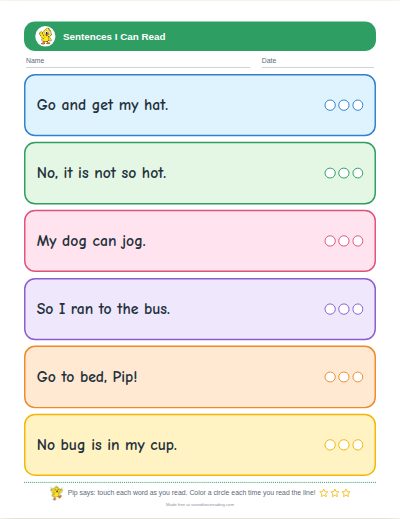 Decodable sentence generator
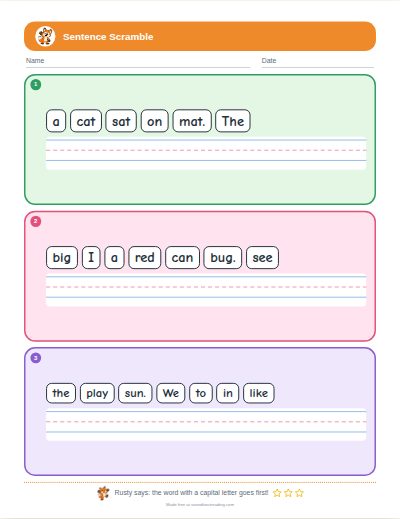 Sentence scramble generator
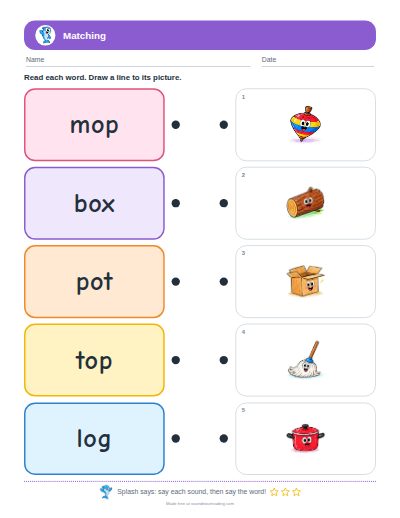 Matching worksheet maker
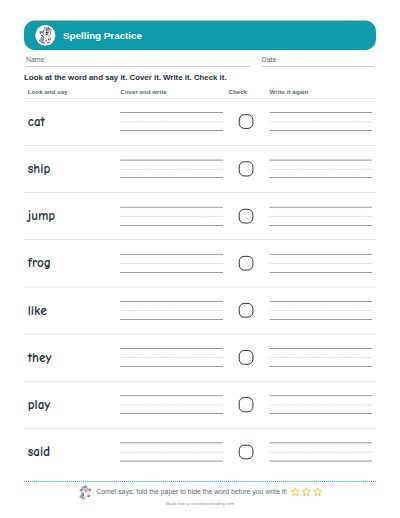 Spelling worksheet generator
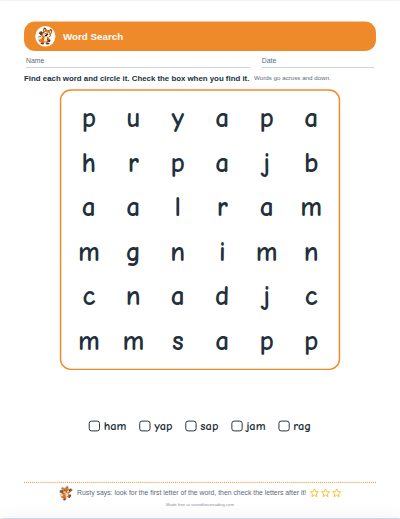 Word search maker for kids
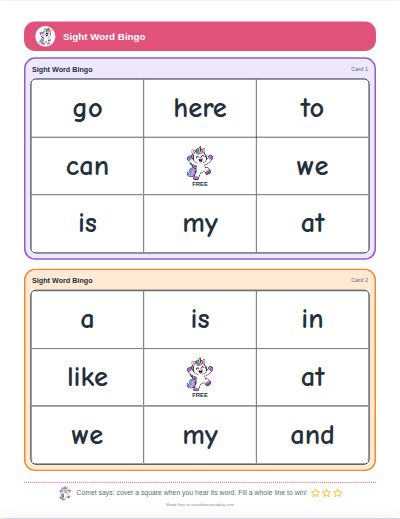 Bingo card generator
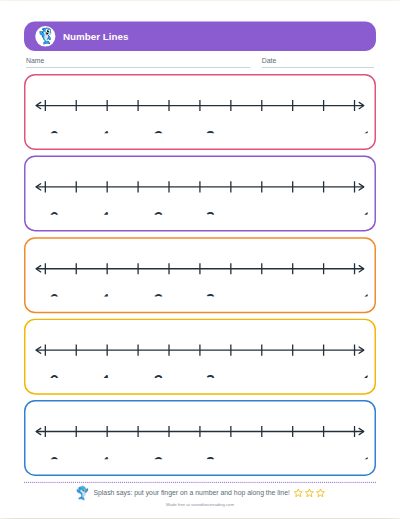 Number line generator
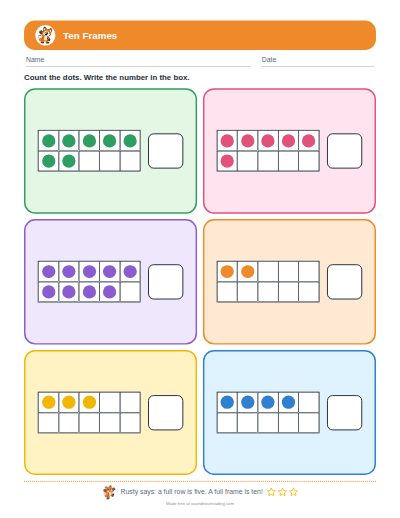 Ten frame generator
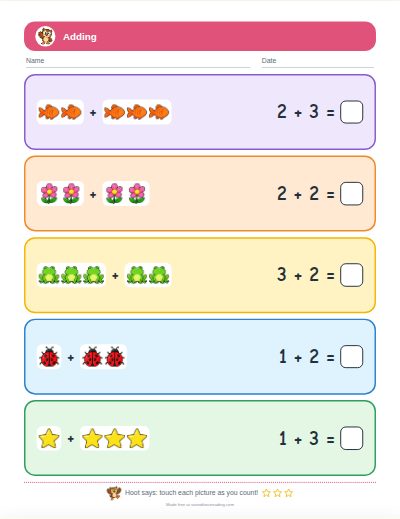 Addition and subtraction worksheet generator
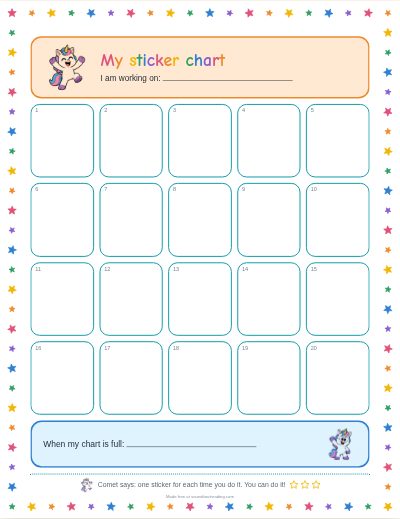 Reward chart maker
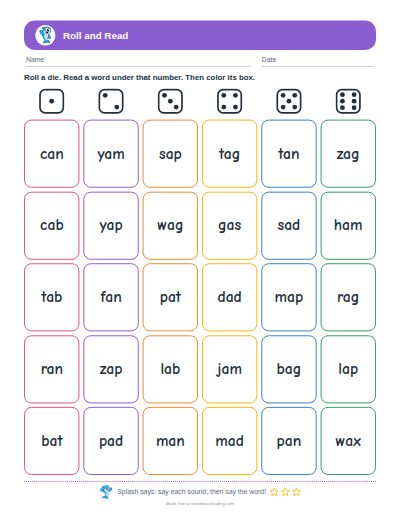 Roll and read worksheet generator
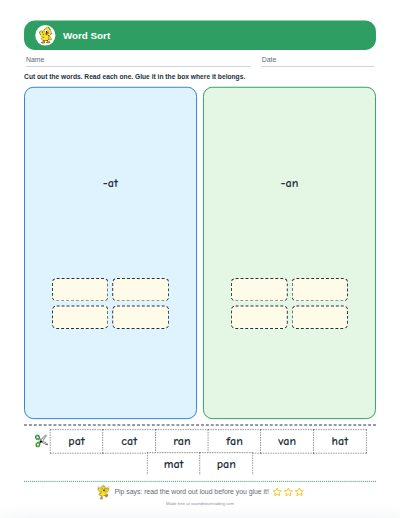 Word sort generator
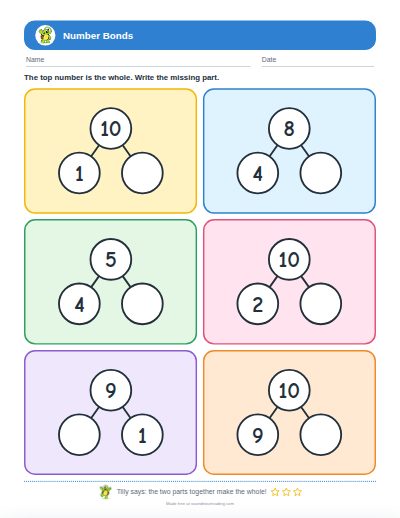 Number bonds worksheet generator
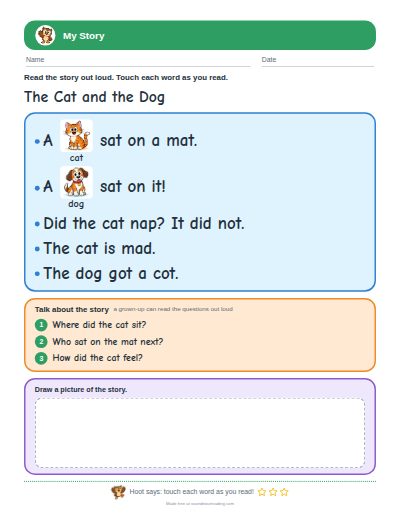 Decodable text generator: story sheets
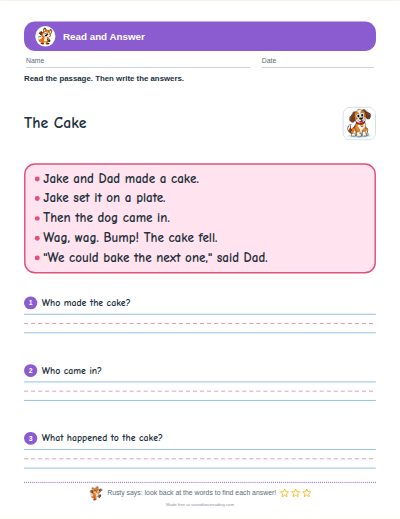 Reading passage generator with questions
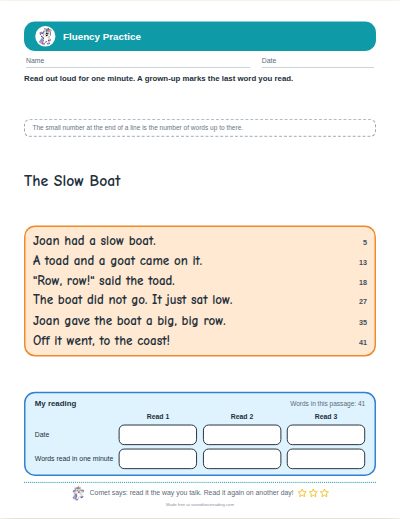 Fluency passage generator
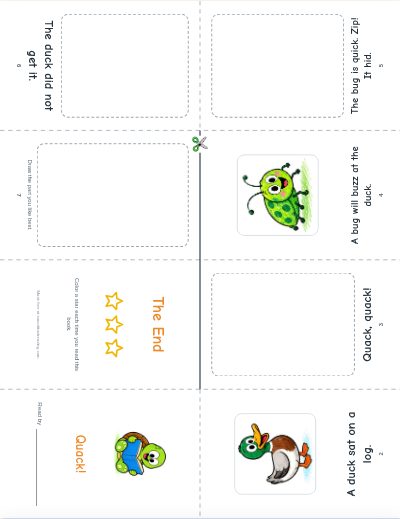 Mini book maker: fold-up books
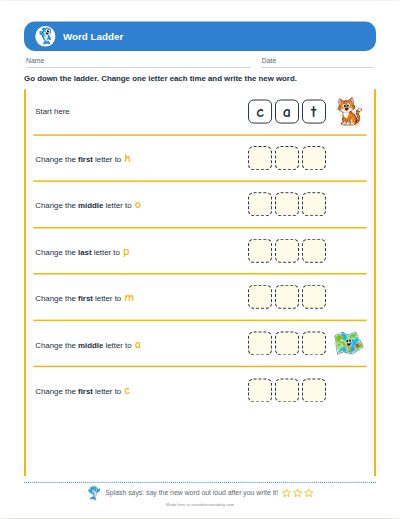 Word ladder generator
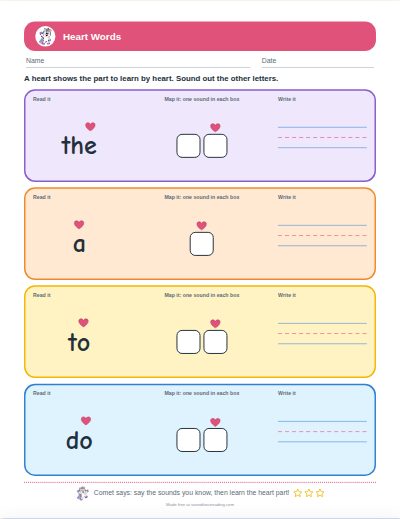 Heart word worksheet generator
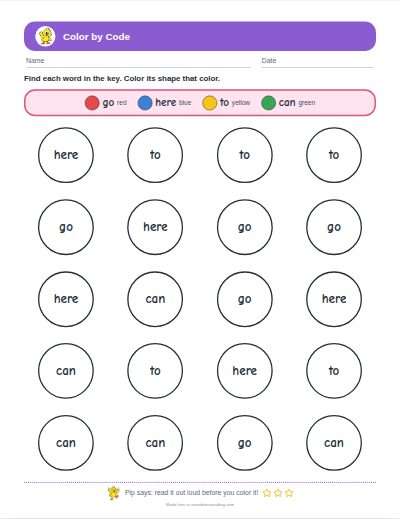 Color by sight word generator
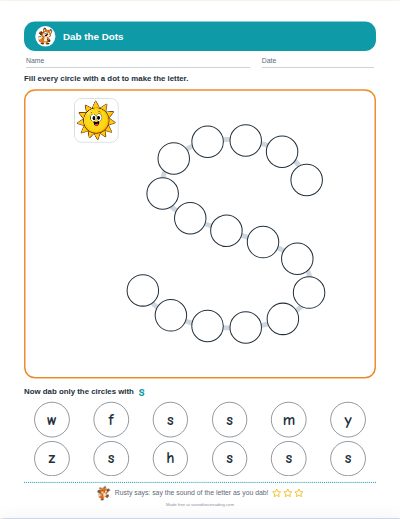 Dot marker letter and word maker
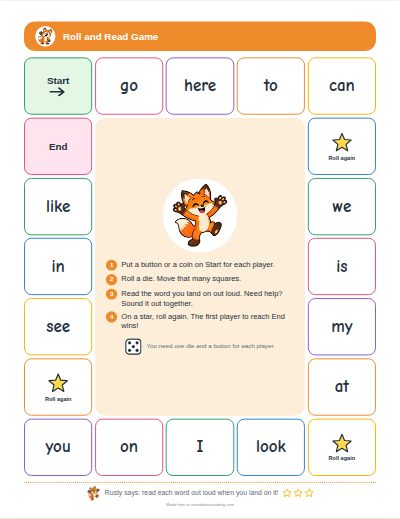 Sight word board game maker
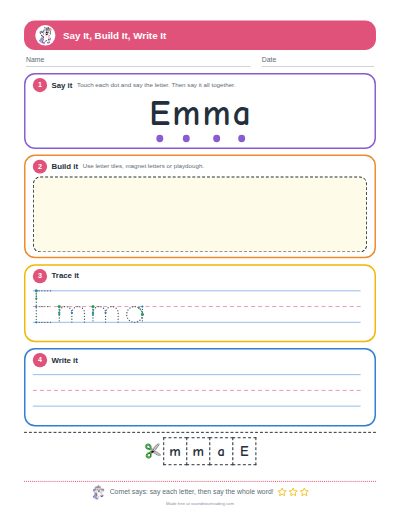 Name and word mat maker
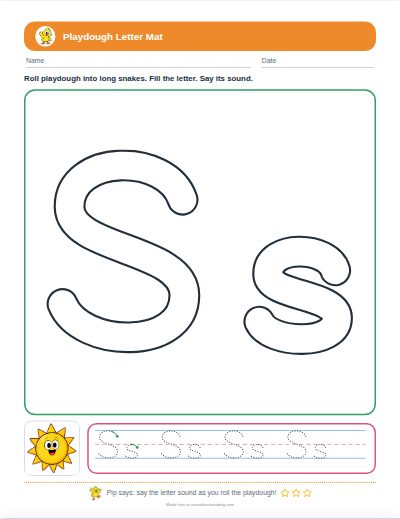 Playdough letter mat maker
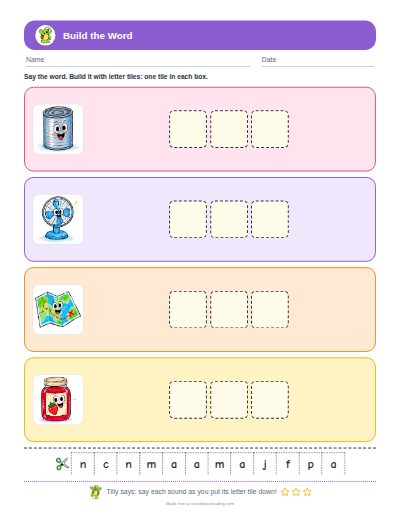 Word building mat maker
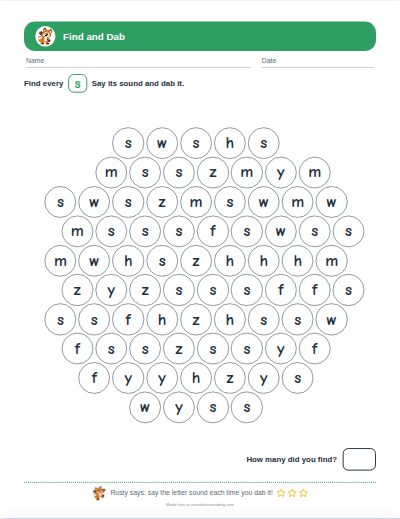 Find the letter worksheet generator
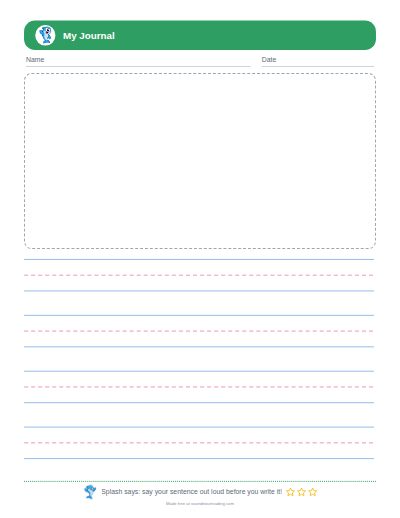 Journal page maker
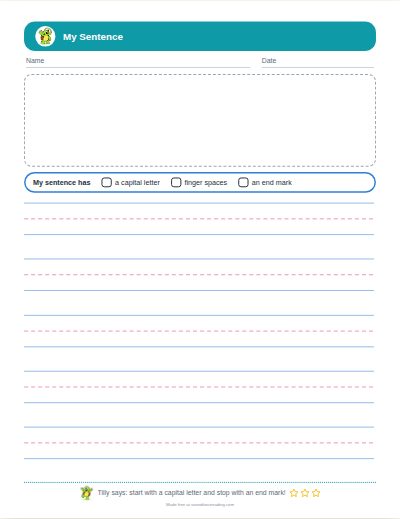 Sentence writing paper generator
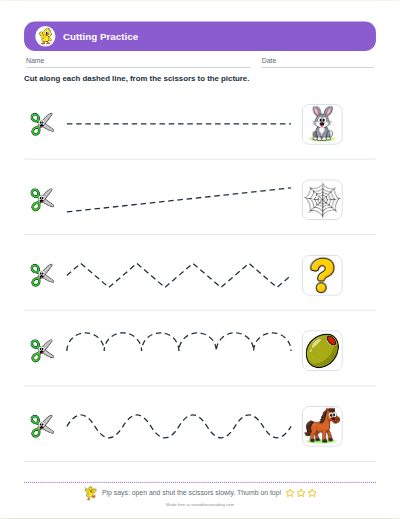 Scissor skills worksheet generator
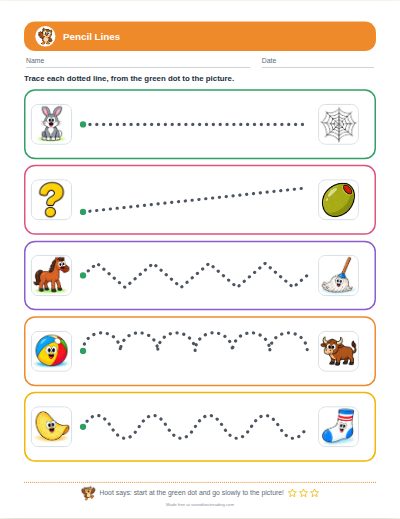 Pre-writing worksheet generator
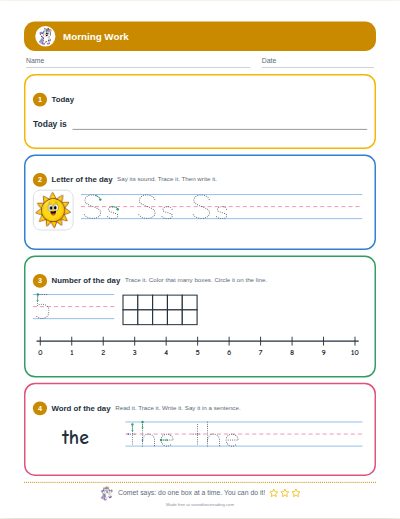 Morning work generator
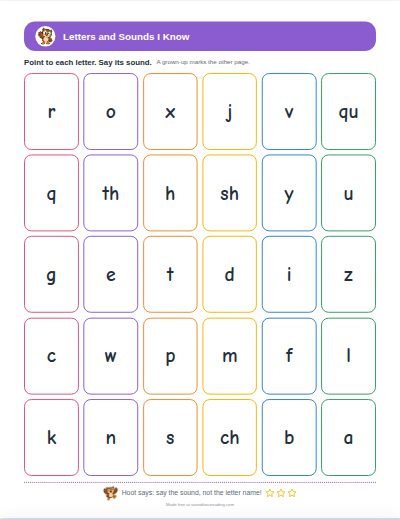 Letter sound checklist maker
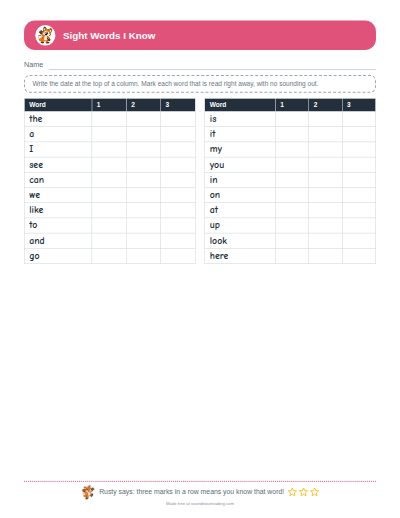 Sight word checklist maker
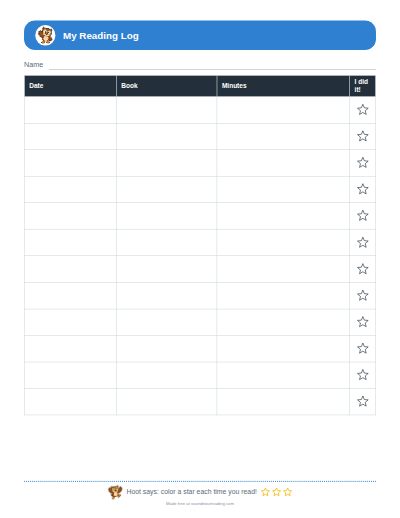 Reading log maker
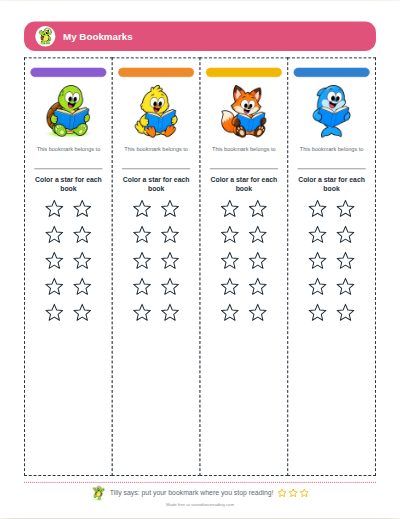 Bookmark maker
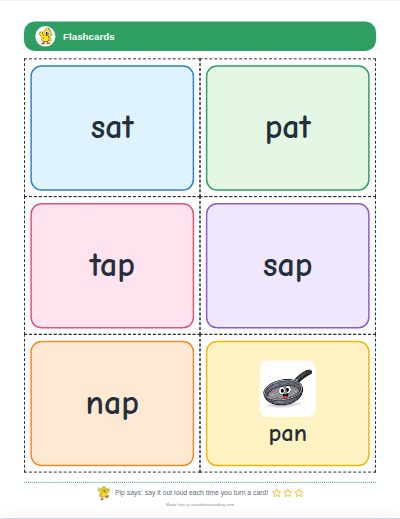
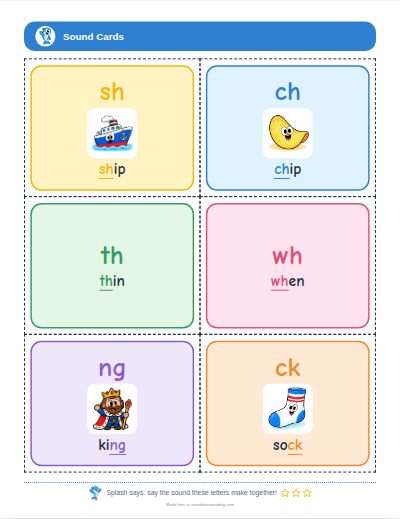 Phonics flashcard maker
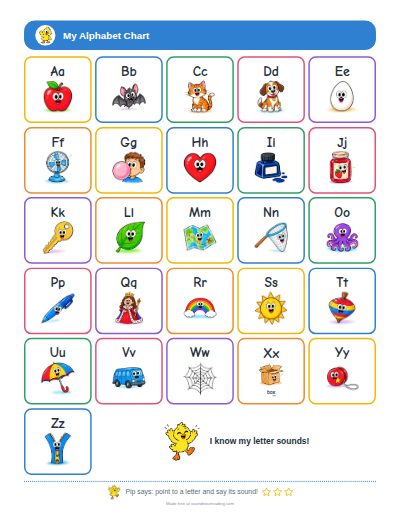 Alphabet chart maker
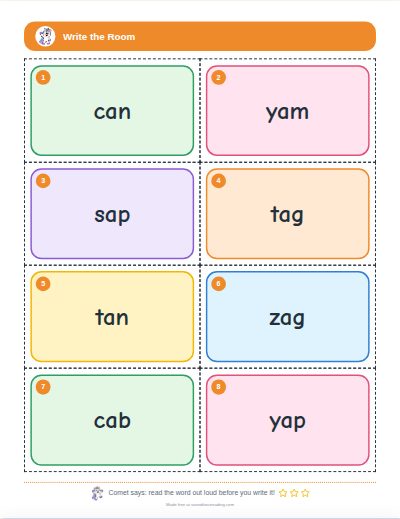 Task card maker
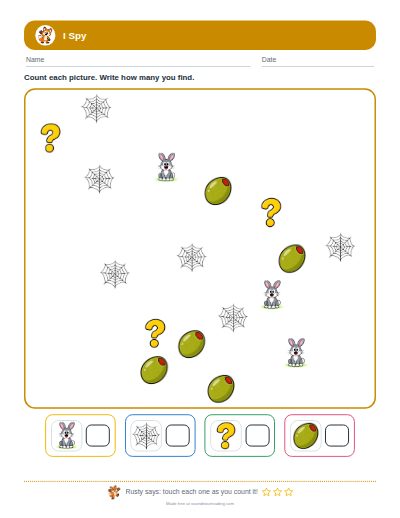 I Spy worksheet generator