Most of us learned the letter names, not the sounds. So when a child starts to read, we are not sure how each sound should be said. Here is every sound we have a checked recording of, said short and clean.
The short answer
Say each sound short and clean, with no extra “uh” on the end. Hold the sounds that can be held: mmm, sss, fff. Keep the quick ones, such as t, p and c, quiet and short.
Tap any button below to hear the sound. Listen first on your own. Then tap it with your child, and have them say it back.
Good to know
A sound plays only when you tap a button. This page does not use a microphone, and it records nothing.
The letters, in the order we teach them
Not A to Z. The first eight sounds already make real words: at, sat, tap, pin.
sun
A long hiss. You can hold it: sss.
apple
Mouth open, as at the start of apple. Short.
top
A tiny tap of the tongue. Quiet, with no voice.
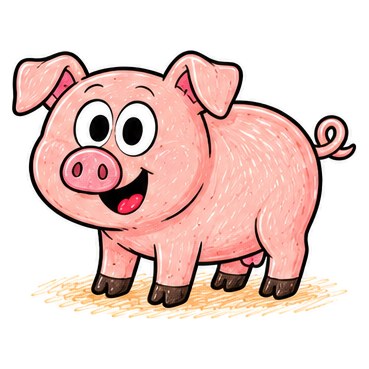
pig
A small puff of air from the lips. Quiet, with no voice.
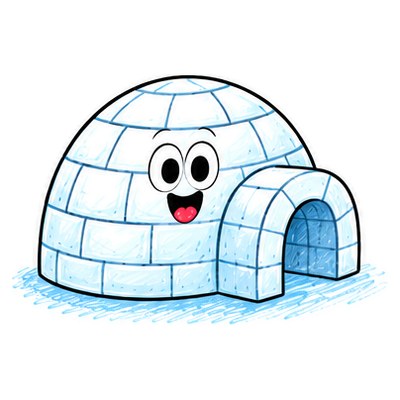
igloo
As at the start of igloo. Short.
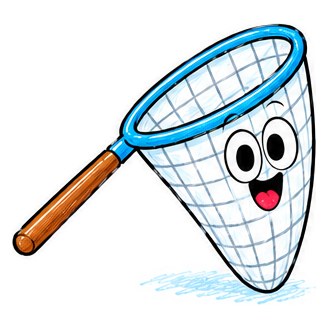
net
A hum with the tongue up behind the teeth: nnn.
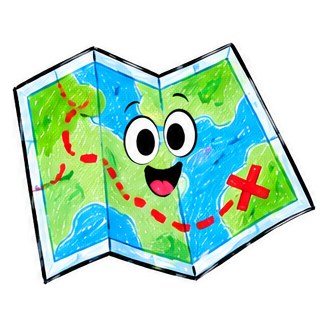
map
A hum with the lips shut: mmm.
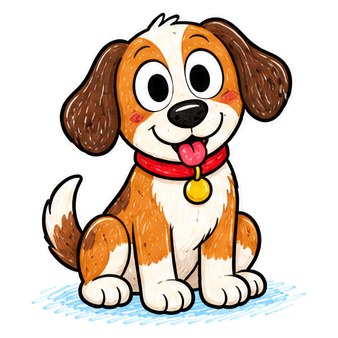
dog
A quick tap of the tongue. Stop right away.
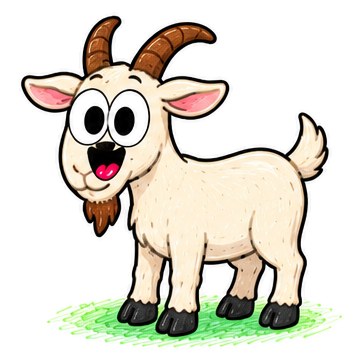
goat
From the back of the mouth, as in goat. Stop right away.
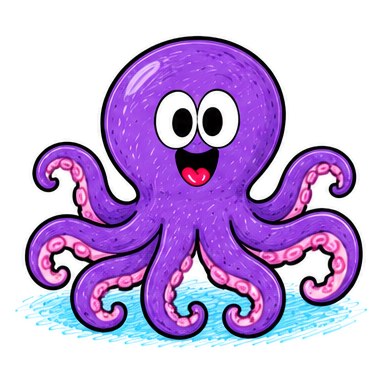
octopus
A round mouth, as at the start of octopus. Short.
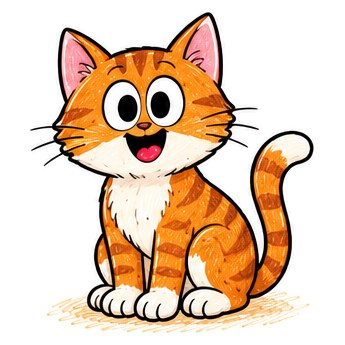
cat
A quick click at the back of the mouth. Quiet, with no voice.
kite
The same click as c.
egg
As at the start of egg. Short.
umbrella
As at the start of umbrella. Short.
rug
A growl you can hold: rrr.
hat
A breath out, with no voice.
bat
Lips together, then open. Quick. Stop right away.
fish
A long soft blow, teeth on the lip: fff.
leg
Tongue up, and hold it: lll.
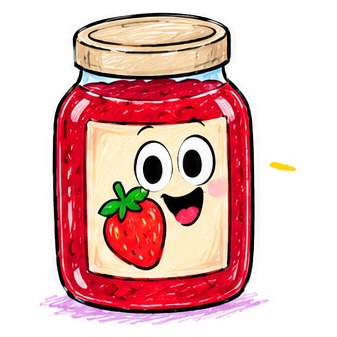
jam
Quick, as at the start of jam.
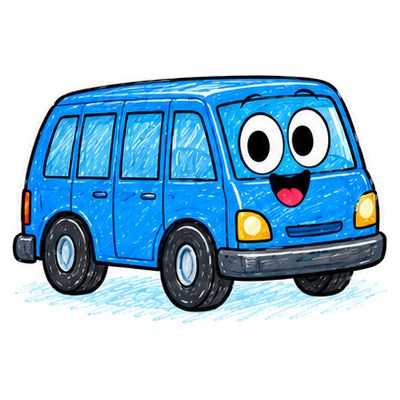
van
A long buzz, teeth on the lip: vvv.
web
Lips round, as at the start of web. Short.
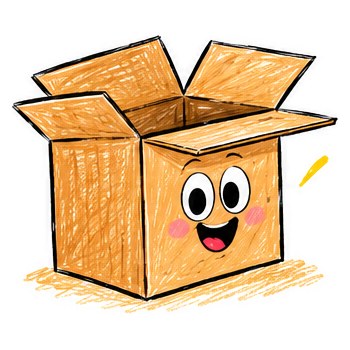
box
Two quick sounds together, k and s, as at the end of box.
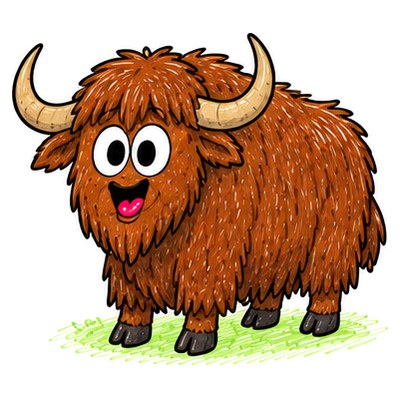
yak
As at the start of yak. Short.
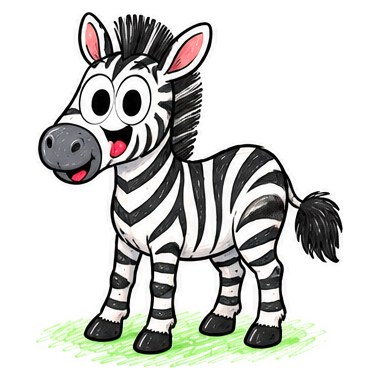
zebra
A long buzz you can hold: zzz.
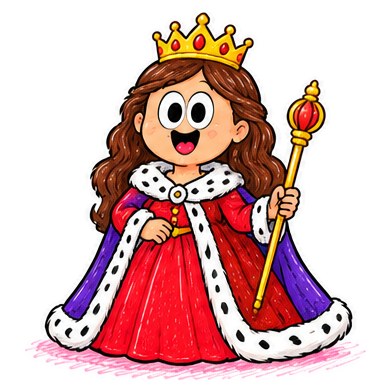
queen
Two letters that go together. They say k and w, as in queen.
Two letters, one sound
These come later, after the single letters. Each pair of letters stands for one sound.
ship
Two letters, one sound: the quiet sound. You can hold it.
chick
Two letters, one sound, as at the start of chick. Quick.
thumb
Tongue between the teeth and blow, as in thumb.
ring
One sound at the end of a word, as in ring. A hum at the back of the mouth.
rain
Says the name of the letter a, as in rain.
bee
Says the name of the letter e, as in bee.
pie
Says the name of the letter i, as in pie.
boat
Says the name of the letter o, as in boat.
moon
As in moon. You can hold it.
car
As in car.
corn
As in corn.
zipper
As in her, and at the end of zipper.
cloud
As in out and cloud.
coin
As in coin.
How to say a sound with no extra “uh”
Sounds you can hold
m, s, f, l, n, r, v, z, sh
Stretch them for as long as you like. A held sound slides easily into the next one: mmmap.
Quick, quiet sounds
t, p, c, k, h, ch
No voice at all, only air. Say them softly, almost in a whisper, and stop.
Quick sounds with voice
b, d, g, j
These are the hard ones. Make them as short as you can, and stop the moment the sound is out.
Why it matters: when every sound has an extra “uh” after it, a child who says the sounds of “map” cannot hear the word in them. Clean sounds make blending much easier.
How to use this page with your child
You first.Listen to the sounds on your own until you can say them the same way.
Two or three sounds, not all of them.Tap a sound. Your child says it back. Then you say it, with no button.
Yesterday’s sounds come back.Start tomorrow with today’s sounds before you add a new one.
Then use them.As soon as your child knows s, a, t and p, put them together: at, sat, tap.
Sounds this page does not have
We only play recordings we have checked. We have no checked recording for the second sound of th (as in this), the short oo (as in book), the letter team ue, and the sounds in saw and in chair. The letter q is heard with u, as qu.
The recordings are the letter sounds published by elimu.ai under the MIT license (license). One speaker says every sound.
Good questions
What is the difference between a letter name and a letter sound?
The name is what the letter is called: “em” for m. The sound is what it says in a word: mmm, as at the start of map. Reading uses the sounds. A child who says “em, a, pee” cannot hear the word map in it.
Why should I not add “uh” to a sound?
With an extra “uh” after each sound, the three sounds of map turn into six, and your child cannot hear the word in them. Say each sound short and clean. Hold the ones that can be held, such as mmm and sss. Keep the quick ones, such as t and p, quiet and short.
Which letter sounds should I teach first?
Start with a few, not all 26. We teach s, a, t and p first, then i, n, m and d, because a child can already read real words with them: at, sat, tap, pin. Bring back yesterday’s sounds before you add a new one.
Why do c and k sound the same?
They stand for the same sound, the quick click at the back of the mouth. Your child learns that one sound can be written in more than one way: cat, kite, and later duck.
Does this page listen to my child or record anything?
No. The page only plays a sound when you tap a button. It does not use a microphone or a camera, and nothing you tap is sent anywhere.